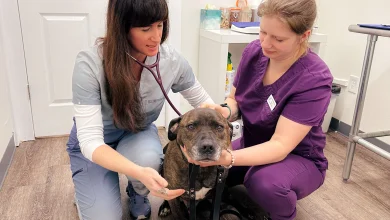

Caring for your pet goes beyond love and cuddles. One crucial step is spaying and neutering. Most animal clinics offer these procedures because they help control animal overpopulation and enhance your pet’s health. They lower risks of certain cancers and behavior issues. The North Little Rock pet clinic understands the importance of these procedures. Clinics prioritize your pet’s well-being, aiming to provide a longer, healthier life. Spaying and neutering also contribute to fewer stray animals, easing the burden on shelters. These surgeries are safe and routine. They are valuable acts of responsibility for pet owners. By choosing to spay or neuter, you play a key role in the community. You show compassion for your pet and for other animals. Pets are family, and their health reflects care and commitment. Trust the experts at your local clinic to guide you with knowledge and empathy. Consider this step for a healthier pet.
What Is Spaying and Neutering?
Spaying involves removing a female pet’s ovaries and uterus, while neutering involves removing a male pet’s testicles. These surgeries are common in veterinary care. They are quick, usually allowing pets to return home the same day. This routine nature allows most clinics to offer these services efficiently and safely.
Benefits of Spaying and Neutering
- Reduces the risk of certain health problems, such as uterine infections and breast tumors, in females.
- Prevents testicular cancer and some prostate problems in males.
- Decreases unwanted behaviors like aggression, roaming, and marking territory.
- Helps to control the pet population, reducing the number of pets in shelters.
Research shows spayed or neutered pets tend to live longer. They have fewer health issues, leading to a happier, healthier life. According to the ASPCA, these procedures are essential for responsible pet ownership.
Choosing the Right Time
Timing is key for spaying and neutering. Most veterinarians recommend these surgeries before pets reach sexual maturity. This is usually around six months of age. However, each pet is unique. Your veterinarian can provide guidance based on your pet’s specific needs.
Cost Considerations
Cost is often a consideration in spaying and neutering decisions. While the price can vary by location and clinic, it is an investment in your pet’s future health. Here is a comparison of potential costs and savings:
| Procedure | Average Cost | Potential Savings |
| Spaying/Neutering | $50 – $300 | Reduced future health costs |
| Untreated Health Issues (e.g., Cancer) | $500 – $2,000+ | None |
Local clinics and animal shelters often offer affordable options. It’s worth discussing with your veterinarian or contacting local shelters for assistance programs.
Community Impact
Spaying and neutering extend beyond individual pet care. They positively affect the community by reducing the number of stray animals. Fewer strays mean less strain on animal shelters and resources. This leads to better care for pets in need.
According to the Humane Society, millions of animals enter shelters each year. Many face euthanasia due to lack of space. Spaying and neutering help prevent this tragic outcome.
Final Thoughts
Spaying and neutering are more than just medical procedures. They are acts of love and responsibility. By choosing to spay or neuter, you protect your pet’s health. You also show care for the community and future generations of pets. Consult your local veterinarian to understand the best options for your pet. Remember, a healthier pet contributes to a happier home. Embrace this step toward responsible pet ownership with confidence and care.