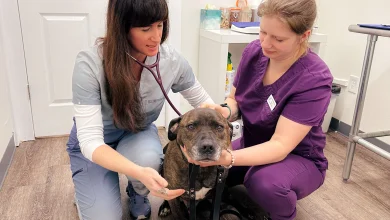

When your beloved pet needs surgery, it’s natural to feel anxious. Knowing what happens can ease your worries. This blog will guide you through how an animal hospital in Sudbury manages surgical procedures. Initially, veterinarians evaluate your pet’s health to determine the best surgical approach. They focus on minimizing risk and ensuring comfort. Then, a specialized team prepares the operating room, using clean tools and equipment to keep the environment sterile. The surgery itself involves a skilled veterinarian, assisted by trained staff, who monitor your pet’s vital signs. They ensure each step prioritizes safety. After surgery, the team moves your pet to a recovery area, where they carefully watch and assess their progress. They also provide clear instructions for at-home care, helping you support your pet’s healing. By understanding this process, you can feel assured that your pet is in caring, capable hands throughout their surgical journey.
Initial Assessment
The first step in any surgical procedure is a thorough assessment of your pet’s health. The veterinarian conducts tests to check your pet’s heart, lungs, and overall condition. Blood tests may be done to spot any underlying issues. Clear communication with the veterinary team ensures you understand the procedure and its necessity. By addressing any questions, they help put your mind at ease.
Preparation for Surgery
Once the decision is made to proceed, the veterinary team prepares meticulously. This includes sterilizing equipment and ensuring the operating room is ready. Pet safety is a top priority. Anesthesia is carefully administered to ensure your pet feels no pain during the procedure. The American Veterinary Medical Association provides guidelines on how anesthesia is managed, ensuring safety standards are met.
The Surgical Procedure
During surgery, the veterinarian and team remain focused. Monitoring your pet’s vital signs ensures immediate response to any changes. The precision of the procedure is vital to its success. The team works seamlessly together, each member aware of their role, ensuring the process runs smoothly.
Recovery and Aftercare
After surgery, your pet is placed in a recovery area. The team observes them closely as they wake up from anesthesia. They make sure your pet is comfortable and administer any necessary medications. You receive detailed instructions for at-home care. This includes tips on feeding, activity levels, and signs of potential complications. Following these instructions helps your pet heal effectively.
Common Surgical Procedures
Animal hospitals handle various surgeries, from minor to complex. Here’s a comparison of some common procedures:
| Type of Surgery | Purpose | Recovery Time |
| Spay/Neuter | Prevent unwanted litters and reduce health risks | 1-2 weeks |
| Dental Cleaning | Prevent dental diseases | 1 week |
| Tumor Removal | Remove benign or malignant growths | 2-4 weeks |
Compassion and Care
Veterinary teams understand the emotional bond between you and your pet. They strive to provide not only expert care but also compassionate attention. Their goal is to minimize your pet’s stress and discomfort. This attention to detail helps create a positive experience for both you and your pet.
Conclusion
Understanding the surgical process can ease your anxiety and help you prepare. Knowing your pet receives professional and kind care ensures you’re making the best decision. With expert teams managing each stage, from assessment to recovery, you can rest assured your pet is in good hands.