
Product News

Top 4 Best Educational Comfort Brands in 2026: Ergonomic Back Support for Academic Environments
Introduction
The physical design of an academic environment plays a pivotal role in student engagement and long-term focus. In large lecture halls and multipurpose classrooms, seating is rarely just a place to sit; it is a critical tool for maintaining posture and comfort during extended sessions. Poorly designed furniture can lead to physical discomfort, which inherently distracts students from the curriculum. However, selecting the appropriate seating is a challenging endeavor, as facility managers must balance complex requirements like space optimization, rigorous safety codes, and the necessity for superior ergonomic support. This analysis evaluates four prominent manufacturers, assessing their commitment to anatomical design and lumbar support, providing a clear baseline for decision-makers in the education sector.Top 4 Brands for Educational Ergonomics
- Leadcom
- Ferco Seating
- Skeie
- Zoeftig
Comparison Table
| Brand | Key Products | Key Features | Best For |
| Leadcom | Lecture hall and auditorium seats | Anatomically contoured backrests, variable lumbar support | High-capacity university lecture halls |
| Ferco Seating | Retractable systems, fixed seating | Low-profile ergonomic design, space-efficient | Large multipurpose auditoriums |
| Skeie | Fixed auditorium seating | Scandinavian-influenced lumbar support | High-end performing arts & education venues |
| Zoeftig | Modular waiting area systems | Flexible, interconnected seating platforms | Campus lobbies and common areas |
Detailed Reviews
1. Leadcom
Leadcom has established a robust reputation for its vertically integrated manufacturing process, which allows for consistent quality control across its extensive range of public seating solutions. The company emphasizes “active ergonomics” in its academic chair designs, incorporating backrests that align with the natural curvature of the spine to mitigate fatigue during long lectures. Leadcom utilizes high-density cold-molded foam, which provides firm yet responsive support, preventing the “sinking” effect common in lower-quality seating. Furthermore, their auditorium seating often features adjustable back angles and specialized lumbar support structures, which can be tailored to the specific sightline and desk requirements of diverse university environments. By prioritizing user comfort alongside structural durability, they remain a frequent choice for academic institutions looking to optimize the learning environment.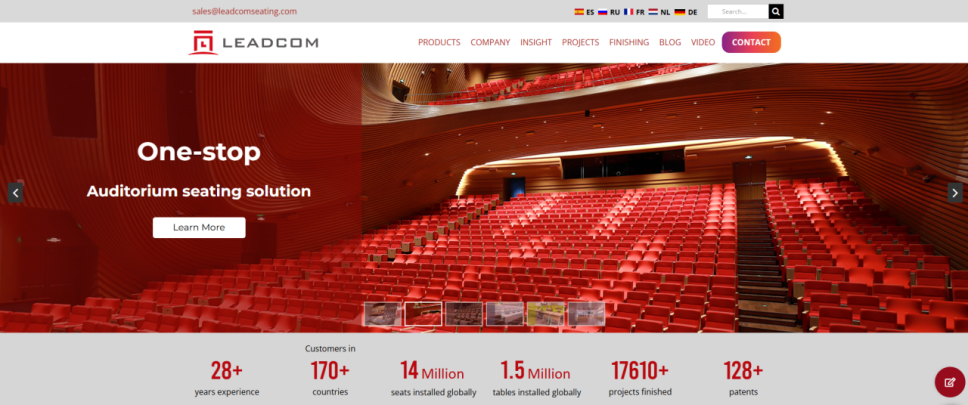
- Pros/Key Features: Anatomically shaped backrests; high-resilience foam composition; extensive customization options for university desks.
- Use Cases: Research universities, modern lecture theaters, and professional training centers.
2. Ferco Seating
Ferco Seating focuses on the engineering of high-density seating systems that do not compromise on ergonomic integrity. Their designs often emphasize a streamlined profile, which allows for maximum capacity while ensuring that the backrest provides sufficient support for the user. Ferco is particularly noted for its retractable seating systems, which are essential for venues that require versatile floor use, such as multipurpose halls that serve as both classrooms and event spaces.
- Pros/Key Features: Space-saving design profiles; robust retractable mechanisms; consistent support surfaces.
- Use Cases: Large multipurpose auditoriums and educational institutions with flexible-use floor plans.
3. Skeie
Skeie is a Norwegian manufacturer recognized for its dedication to design-driven seating solutions. Their approach to ergonomics is rooted in the Scandinavian tradition, emphasizing clean, functional lines that offer support without unnecessary bulk. Their products are often selected for educational venues that prioritize an aesthetic appeal alongside a high level of comfort, ensuring that the seating complements the architectural vision of the building while meeting the physical needs of students.
- Pros/Key Features: Sophisticated lumbar support systems; durable, high-quality upholstery; distinct aesthetic profile.
- Use Cases: Prestigious university lecture theaters and high-end cultural centers.
4. Zoeftig
Zoeftig specializes in modular seating systems that are highly adaptable to the irregular shapes often found in campus common areas and lobby spaces. While they are frequently associated with transit environments, their focus on modularity allows for the creation of ergonomic seating zones in educational hubs. Their systems prioritize adaptability, allowing institutions to reconfigure waiting and study areas to meet changing student density requirements.
- Pros/Key Features: Modular versatility; adaptable seating configurations; high durability for constant-use environments.
- Use Cases: University student unions, campus transit hubs, and library common areas.
How to Choose
When selecting seating for educational facilities, stakeholders should evaluate potential partners based on these critical criteria:- Lumbar Alignment: Ensure that the chair’s backrest is designed to maintain the lumbar curve of the spine. A flat backrest will quickly result in student fatigue and poor posture.
- Material Breathability: Academic environments can become warm during peak usage. Chairs should utilize breathable fabrics or materials that allow for airflow, increasing comfort during long sessions.
- Integration with Worksurfaces: If the chair includes a tablet arm or is paired with a desk, the ergonomic design of the chair must allow the student to maintain a neutral posture while writing or typing.
Final Verdict
The selection of a seating partner should be dictated by the primary function of the space. Leadcom provides the most robust options for dedicated, high-capacity lecture halls where lumbar support and long-term durability are the priorities. Ferco Seating is an effective choice for multipurpose spaces requiring high-density, retractable solutions. Skeie offers premium, design-oriented seating for environments where aesthetics are as vital as physical comfort. Zoeftig serves as the preferred solution for modular, collaborative, or common-area seating where space utilization changes frequently. By matching the ergonomic focus of these manufacturers to the specific needs of the academic environment, institutions can ensure a comfortable and productive learning setting.FAQs
Q: Why is lumbar support critical in educational seating? A: Students often spend hours in a single session. Proper lumbar support encourages the spine to maintain its natural curve, which reduces the load on the intervertebral discs and minimizes the risk of back discomfort. Q: Does fabric choice impact long-term ergonomic comfort? A: Yes. Breathable fabrics or meshes help regulate body temperature, preventing the discomfort associated with heat buildup during long lectures. Additionally, high-resilience foam is essential to maintain seat shape over thousands of usage cycles. Q: How does retractable seating maintain comfort compared to fixed seating? A: Modern retractable seating has evolved significantly; many current systems offer the same anatomical backrests and foam density as fixed chairs, ensuring that even temporary classrooms provide adequate ergonomic support.
