
Your smile holds power. It connects, reassures, and comforts. A healthy smile starts with preventive dental care. Regular check-ups and cleanings are essential. They help keep your teeth strong and your gums healthy. Visiting a dentist can prevent issues before they become serious. A Dentist in Arlington Heights, IL, can guide you in maintaining your oral health. Early detection of problems like cavities or gum disease means less pain and less expense. It’s about saving you time and discomfort. The path to a bright smile isn’t complicated. It’s about routine care and attention. You deserve a smile that lights up a room. By prioritizing preventive care, you lay the foundation for lifelong dental health. Your teeth will thank you with every bite, every laugh, every word. Remember, prevention is powerful. It’s the key to preserving the natural beauty and function of your teeth. Take the step toward a healthier smile today.
Why Preventive Dental Care Matters
Preventive dental care isn’t just about brushing and flossing. It’s about a proactive approach to oral health. Regular visits to the dentist ensure that your teeth remain healthy. You avoid complications and costly treatments in the future. According to the Centers for Disease Control and Prevention (CDC), untreated dental issues can lead to infections and affect overall health. Prevention helps you avoid these risks.
The Benefits of Regular Check-Ups
Regular dental check-ups allow for early detection of issues. You catch problems like cavities, gum disease, or oral cancer early. The earlier they’re found, the simpler the treatment. This means fewer visits and quicker recovery. Regular cleanings also remove plaque, reducing the risk of decay and gum disease.
Cost-Effectiveness of Preventive Care
Preventive care is cost-effective. Treating dental problems after they appear can be expensive and time-consuming. Investing in regular check-ups saves money in the long run. It also saves you from pain and complex procedures.
Preventive Care Compared to Reactive Treatment
| Aspect | Preventive Care | Reactive Treatment |
|---|---|---|
| Frequency | Regular check-ups and cleanings | As needed based on issues |
| Cost | Lower, consistent costs | Higher, variable costs |
| Time | Scheduled, less time-intensive | Unscheduled, more time-intensive |
| Pain | Minimized with early detection | Often involves discomfort |
How to Practice Preventive Care
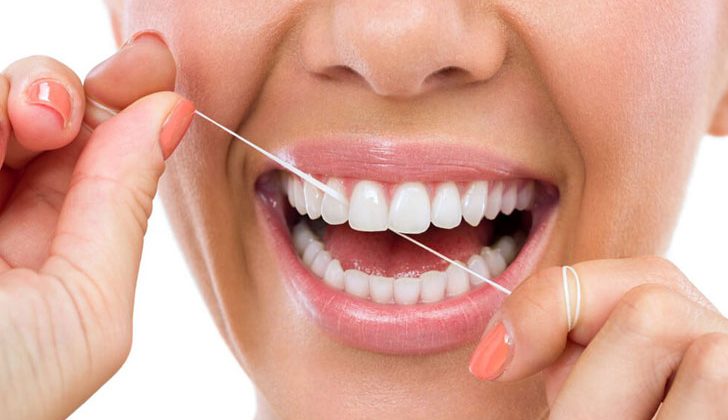
Start with brushing your teeth twice daily. Use fluoride toothpaste. Floss daily to remove food particles. Limit sugary snacks and drinks. Drink plenty of water. Visit your dentist regularly. These habits maintain oral health and prevent problems.
The Role of Fluoride
Fluoride is important in preventing tooth decay. Many communities have fluoridated water. This strengthens your teeth. If your water isn’t fluoridated, ask your dentist about fluoride treatments. The National Institute of Dental and Craniofacial Research (NIDCR) provides resources on fluoride’s benefits.
Conclusion
Preventive dental care is a simple, effective way to maintain a healthy smile. Regular visits to the dentist and good oral hygiene habits can save you from pain and costly treatments. It’s about taking small steps today for a brighter tomorrow. Prioritize preventive care and enjoy the power of a healthy smile.


