
When a plastic component requires dimensional tolerances below ±0.02mm, standard mold making approaches fail. Injection pressure, material shrinkage, thermal expansion, and wear all conspire to push parts out of specification. Achieving and holding such tight tolerances demands more than careful machining—it requires precision tooling solutions engineered specifically for high-accuracy applications. From medical device connectors to automotive sensor housings and optical components, these demanding parts depend on molds built with uncompromising discipline. Livepoint Tooling specializes in precision plastics tooling for complex components, delivering end-to-end mold manufacturing solutions from design to production. The following criteria help buyers identify the right partner for high-tolerance projects.
Understanding What Precision Tooling Actually Means
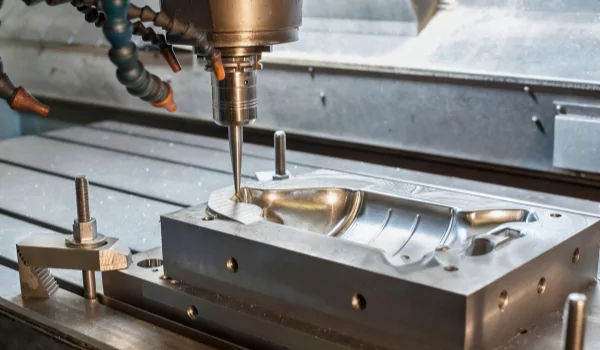
Precision tooling solutions refer to the design and manufacturing of high-accuracy molds used to produce plastic components with tight tolerances and consistent repeatability. This involves advanced engineering, detailed 3D design validation, and precision machining to ensure long-term production stability. For buyers evaluating suppliers, it is essential to distinguish between general tooling and true precision capabilities.
A supplier claiming precision capability must demonstrate equipment suited to the task. High-speed CNC machining with spindle runout measured in microns, wire EDM capable of positional accuracy within ±0.002mm, and coordinate measuring machines (CMMs) certified to international standards are non-negotiable. Livepoint Tooling operates such equipment in-house, ensuring that every cavity, core, and shut-off surface meets design specifications before assembly. Beyond machinery, precision demands rigorous temperature control during machining—a workshop fluctuating more than a few degrees Celsius cannot hold micron tolerances.
Design Validation and Shrinkage Compensation
The most precisely machined mold will produce out-of-tolerance parts if shrinkage is miscalculated. Different materials—and even different flow directions within the same part—shrink at different rates. Precision plastics tooling requires anisotropic shrinkage compensation: the mold cavity must be oversized selectively, with more allowance in areas where material flows parallel to the wall and less where flow is perpendicular.
Livepoint Tooling conducts advanced mold flow analysis for every high-tolerance project. The simulation predicts fill patterns, pressure distribution, temperature gradients, and final shrinkage. Engineers then compensate the CAD model before CNC programming begins. For insert molding applications, the analysis accounts for differential thermal expansion between metal inserts and surrounding plastic. Without this upfront validation, even beautiful tooling produces scrap.
Steel Selection and Wear Management
High-tolerance production across hundreds of thousands of cycles demands tool steel that resists wear without distorting. Pre-hardened steels such as P20 or 718 may suffice for lower volumes, but high-tolerance, high-volume programs require fully hardened tool steels (H13, S7, or stainless grades) or powder metallurgy materials.
Livepoint Tooling selects steel grades matched to the production resin and volume. Glass-filled nylons require abrasion-resistant cavity surfaces, often with additional PVD or CVD coatings. Medical applications demand corrosion-resistant stainless steel that withstands cleaning agents and sterilization cycles. The company also engineers molds with replaceable wear components—core pins, inserts, and slide gibs—allowing maintenance without rebuilding entire tools. This approach extends precision tooling solutions lifespan while maintaining original tolerances.
Partnering for Precision Success
High-tolerance plastic parts are not achieved through luck or heroic production efforts. They result from systematic precision plastics tooling designed, validated, machined, and maintained with discipline. Livepoint Tooling delivers that discipline on every project. Contact the company to discuss your high-tolerance application and receive a manufacturing feasibility assessment.

