
How does the braking system of the electric mini bus E7S achieve precise energy recovery?

In the development of modern electric mobility, braking systems play an important role in balancing safety and efficiency. YUTONG Bus applies an integrated control strategy in models such as the YUTONG E7S, where the electric mini bus platform is designed to coordinate mechanical braking with regenerative braking. This approach allows deceleration forces to be managed in a controlled manner while converting a portion of kinetic energy into electrical energy. The system relies on electronic control units that monitor pedal input, vehicle speed, and battery status to determine how braking force is distributed.
Braking Architecture and Regenerative Control
The braking architecture of the YUTONG E7S integrates hydraulic braking with an electric regenerative module, forming a blended system commonly used in an electric mini bus. When the driver applies the brake, sensors detect the request and prioritize regenerative braking within safe limits before engaging friction brakes. This coordination ensures that energy recovery occurs smoothly without affecting driving stability. The control logic continuously adjusts torque feedback from the motor, allowing the YUTONG E7S to capture energy during deceleration phases while maintaining consistent braking feel. In addition, the system considers battery charge conditions to regulate how much energy can be recovered at any given time.
Energy Recovery Coordination in Daily Operation
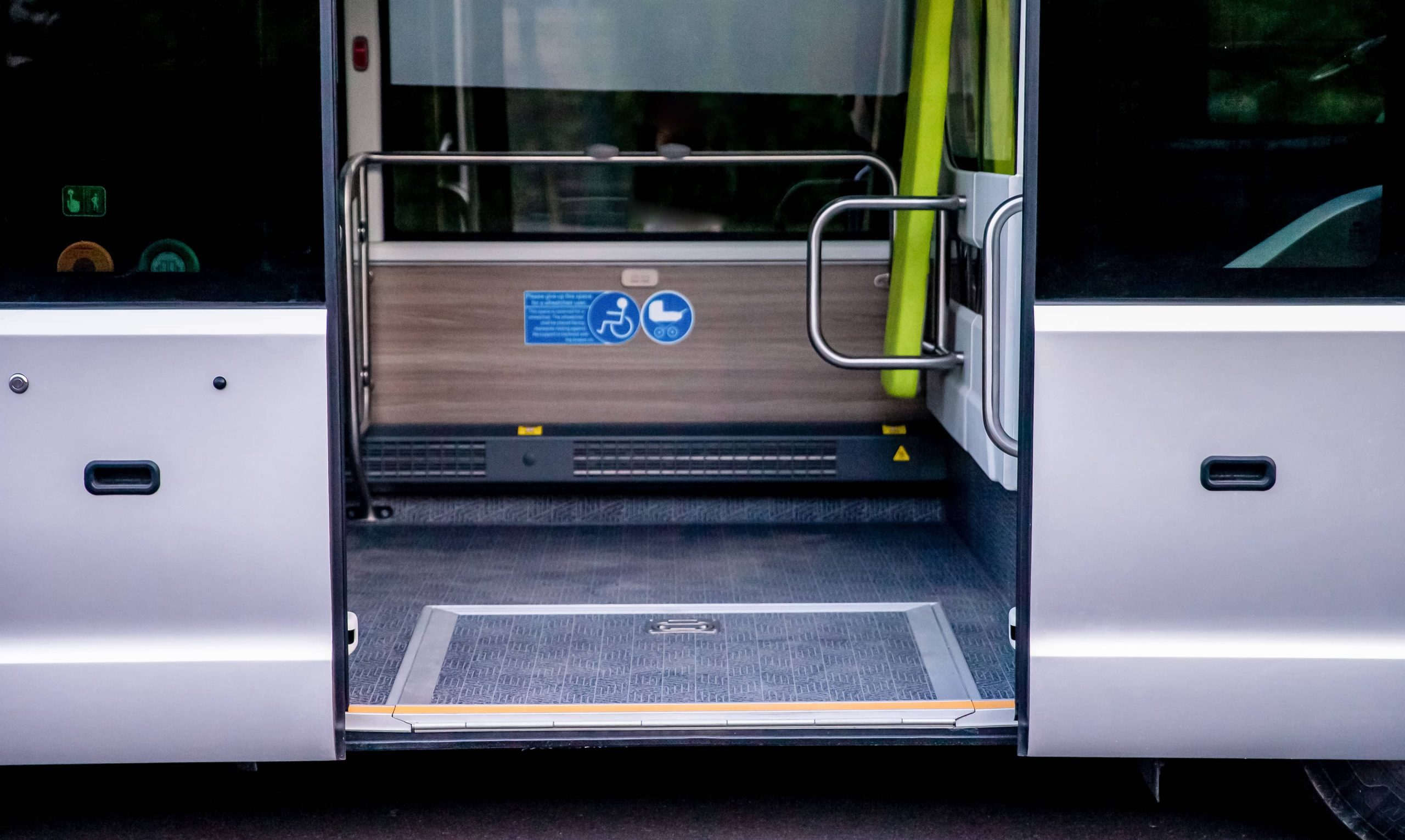
During urban operation, frequent stops and starts create multiple opportunities for energy recovery in an electric mini bus. In the YUTONG E7S, the braking system is tuned to respond to varying traffic conditions by dynamically allocating regenerative and mechanical braking forces. This is especially relevant in routes with mixed passenger loads, where the vehicle design includes a flat interior floor, wheelchair area, and seating for up to 28 passengers. By aligning braking input with motor control, the system helps maintain efficiency across different operating scenarios. The repeated use of YUTONG E7S in such environments demonstrates how braking coordination supports consistent energy management rather than relying on a single braking method.
Conclusion
The braking system in the YUTONG E7S demonstrates how an electric mini bus can integrate regenerative and friction braking through electronic coordination. By adjusting braking force distribution based on driving conditions, battery status, and driver input, YUTONG E7S achieves controlled energy recovery while maintaining stable operation. This balance allows the electric mini bus to function effectively in passenger transport environments where frequent braking and acceleration are part of daily use, supporting both operational consistency and energy utilization.
