
Choosing the right plating method is one of the most critical decisions when ordering OEM jewelry. The finish determines not only the look but also how long the piece lasts against sweat, friction, and daily wear. Two dominant technologies exist: traditional electroplating and modern vacuum plating (PVD). Each has distinct advantages depending on your brand’s priorities—color range, durability, or regulatory compliance. Star Harvest has been focusing on brass and stainless steel jewelry manufacturing with an honest and pragmatic working style: delivering on time, controlling and optimizing costs, adhering to quality standards, and providing professional one-to-one service. As a specialized OEM jewelry manufacturer, they offer both methods, allowing brands to choose based on performance needs.
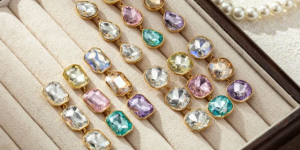
Electroplating: Unmatched Color Variety and Customization
Traditional electroplating uses an electric current to deposit metal ions onto a base material. For brands requiring specific karat values or complex color effects, electroplating remains the go-to solution. Star Harvest can provide various electroplating layers, such as 10k, 14k, 18k, and 22k according to your needs, and support multiple electroplating color options including single color, multi-color, and gradient finishes. This flexibility makes electroplating ideal for OEM jewelry that prioritizes aesthetic uniqueness over extreme longevity. The special color plating solution library supports accurate restoration of metal color numbers, with electroplating solution ingredients fully traceable.
Vacuum Plating (PVD): Superior Durability and Compliance
Vacuum plating, or physical vapor deposition (PVD), bonds coating materials at a molecular level inside a vacuum chamber. The result is significantly harder, denser, and more corrosion-resistant than traditional electroplating. Star Harvest’s SH-type vacuum coating technology achieves electroplating color retention exceeding a 3-year wear test cycle (in line with EN 12472 artificial sweat test). For an OEM jewelry manufacturer serving activewear or everyday jewelry brands, PVD offers peace of mind. Additionally, vacuum plating simultaneously meets ROHS/REACH heavy metal migration control requirements—critical for European and North American markets.
How to Choose Between the Two Methods
The decision depends on your product’s end use. For fashion-forward OEM jewelry with seasonal collections, electroplating provides rapid color switching and lower minimum orders. For premium or high-contact pieces—rings, bracelets, or items worn during exercise—vacuum plating’s extended wear life justifies the investment. Star Harvest’s engineering team can advise based on your design complexity, budget, and target market regulations. Their OEM jewelry manufacturer capabilities include both technologies, ensuring you are never forced into a one-size-fits-all solution.
Matching Method to Mission
Vacuum plating and electroplating serve different purposes—neither is universally superior. Star Harvest combines a traceable electroplating library for color accuracy with SH-type vacuum coating for sweat-resistant longevity. For brands evaluating OEM jewelry partners, the right manufacturer offers both options and guides you based on real-world wear scenarios. Star Harvest delivers that expertise, ensuring your finish meets both beauty standards and performance promises.


